I got into a discussion this week with a friend about movie remakes. There are so many ways I could go with this. Like, for example, that I love to read fairy-tale retelling books but always kind of roll my eyes when it’s announced a studio will make a remake of old movie XYZ. There’s stuff to dig into there, but I’ll save it for another post.
Today, my thoughts center around when a remake stops being a remake and becomes its own new piece of art. The best example of this that comes to mind is the two Mulan movies made by Disney. Any discussion of cultural misrepresentation is also one for another post (that I’m not necessarily qualified to write), so rather than try, I will acknowledge it and move back to my thoughts on how the more recent live-action film, to me, doesn’t feel like a remake.
The animated Mulan was one of my favorite movies growing up. When I was a rather oblivious ten year old, the most important thing about that movie was how real, strong, and unique Mulan felt. She was a role model for me. I wanted to be brave, true, caring, and willing to look myself in the mirror like she is by the end of the movie. Her arc meant a lot to me. And, heck, whether it belongs here or not, the fact she was Chinese and I was a basic white kid from New England didn’t matter to kid-me. And, in fact, I learned so much more from Mulan than I ever did from Ariel (who just made me wish I had red hair).
Anyway, when the live-action movie came out, I remember reading it was very different from the original, which I expected. When I watched it, though, “very different” felt like an understatement. There was a female lead named Mulan who disguised herself as a man and went to war in her father’s place. After that, I struggled mightily to see too many similarities to the animated version.
I’ll let you decide if you think that’s a feature or a bug. For me, it was jarring. I went into a story expecting it to remake something familiar. I got something that felt completely new—much unlike other remakes like Beauty and the Beast or Aladdin, which felt like cousins of their animated counterparts. If the live-action Mulan was a cousin, it was way out there on the numbers, plus removed two or three times.
Again, I’m not arguing if this is good or bad. I’m thinking about whether the live-action Mulan is truly a remake of the animated version. Yes, it’s the same underlying story, but Mulan is hardly the only character/figure from fiction/history to disguise herself as a man and go to war. The live-action could have just been “a Mulan movie” and not linked to the animated one at all. It stood on its own and didn’t need to be billed as a remake, in my opinion, because it didn’t really remake—it practically started from scratch with the source material and bypassed the animated version altogether.
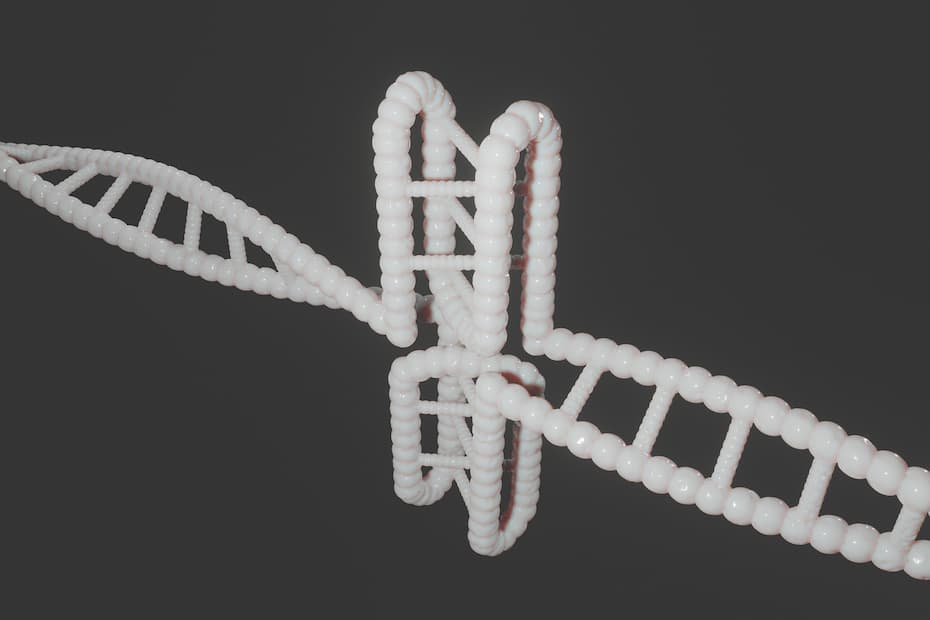
It didn’t share movie DNA with the animated movie. (I bet you were wondering when I’d link that DNA image into the post. Spoiler, I wasn’t sure either.)
This has been 500+ words of “so, this may or may not be the case,” basically. But I didn’t necessarily set out to finitely conclude the live-action Mulan was or was not a remake of the animated one. I just wanted to pose a question about storytelling (as I do) because thinking about this stuff, even if it’s movies rather than books, helps us become better storytellers.
Got thoughts? Drop a comment below
👋 Fair travels,
Mary