**SPOILER ALERT: This post contains spoilers for Disney’s 1994 animated The Lion King, as well as the 2024 live-action Mufasa.
🟪 🟪 🟪
I had a Lion-King weekend. Friday night, we watched the 30th anniversary concert, which contained some amazing performances, not to mention a grand moment involving Nathan Lane and Ernie Sabella. Then, Sunday, we felt inspired and watched the 1994 animated movie, which I’ve probably seen a thousand times (or more) by now, including several times as an adult.
Yet, as often happens (and as I often blog about, such as in this post, and this post), I realized something completely new.
Specifically, that the characters I always thought were the strongest were still strong, but not so much as one I’d never considered.
As the leads, Simba and Nala are, naturally, strong in their own important ways. It takes an enormous amount of courage for Simba to go home to face the past he has been running from his entire life. And Nala had to grow up fast as a result of tragedy, finally deciding to leave the only home she’s ever known to find help for her dying pride.
Timon and Pumba, though comic relief, have their own moment when they give up a carefree life to stay true to Simba. And Rafiki’s humorous wisdom and drive to do what must be done is always noteworthy (side note, Robert Guillaume also plays the title character in the TV show Benson, and if you haven’t, find the Christmas special where he sings “O Holy Night.” Oh. My. God.)
Mufasa, of course, was a powerful king who sacrificed himself to save his son. I personally maintain he knew the likelihood of both he and Simba getting out of the stampede alive was slim, but more on that another time.
All epic characters in their own rights.
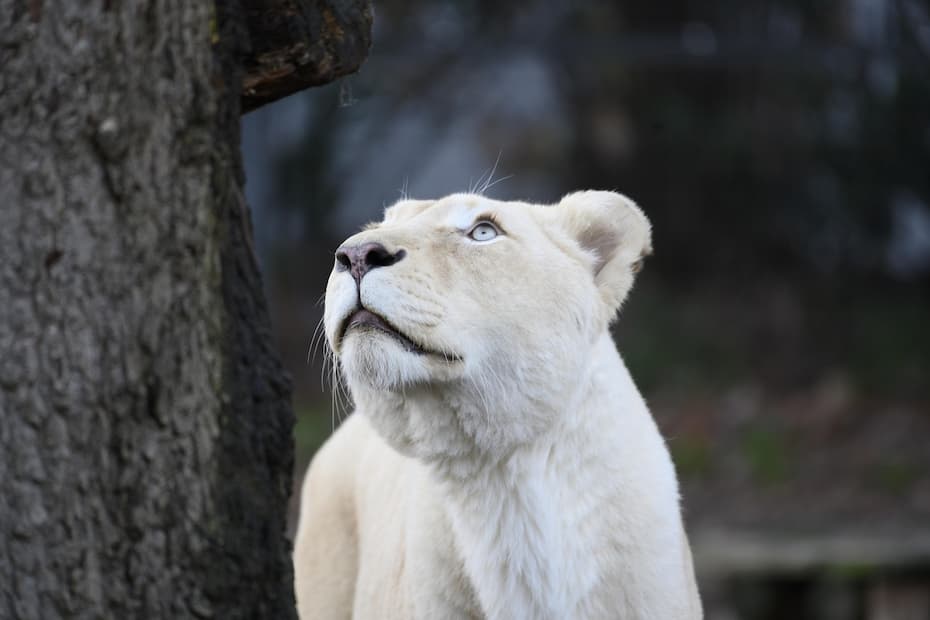
But the award for strongest character—or, at least, my award—goes to the quiet, stoic, ever-regal Sarabi.
Since the movie’s called The Lion King, the lioness queen doesn’t get a lot of screen-time. But the time she does get speaks volumes. Her moment comes at the end, when an angry and bitter scar yells and threatens and struts around in an attempt to show dominance. Instead of rising to his level, Sarabi proves why she was the perfect queen to stand shoulder-to-shoulder with Mufasa. Through all Scar’s bluster, Sarabi keeps her cool, pushes back, and speaks truth to his lies. Ultimately, she knows she’s no match for him physically and that if he chose, he could kill her, but she doesn’t back down. She has strength Scar can only dream of, and he knows it, which is what makes her choice to wield that strength so powerful.
Of course, Scar also hates her because she chose Mufasa over him (which a friend of mine in college and I were chatting about long before the Mufasa movie confirmed it, but I digress). I won’t get into whether the animated and live-action versions of the story are the same cannon or not, but regardless, one could argue the history between these two characters makes Sarabi’s choice to stand her ground even more significant. She’s done so before, and she can do so again. And she’s willing to do so until her final breath.
I know Disney isn’t necessarily known for its sequels, but it really is a shame Madge Sinclair died before the release of The Lion King II: Simba’s Pride. It would have been interesting to see Sarabi’s place in the pride shift as Simba and Nala became the leaders. Maybe then we would have gotten a bit more backstory about Kovu and Zira and who, exactly, Kovu’s father was, because as things stand, I have questions. But that’s a topic for another post, possibly next week’s.
For now, I’ll leave with how Sarabi shows us the power of quiet strength and how, alongside more stand-out characters like Simba and Nala, she is an excellent show of how it takes all types to build a pride.
Got thoughts about The Lion King? Drop a comment.
👋 Fair travels,
Mary
P.S. A big thanks to Spykerf1 from pixabay.com for the image.
P.P.S. And a heartfelt tribute to Madge Sinclair and James Earl Jones. 🫡